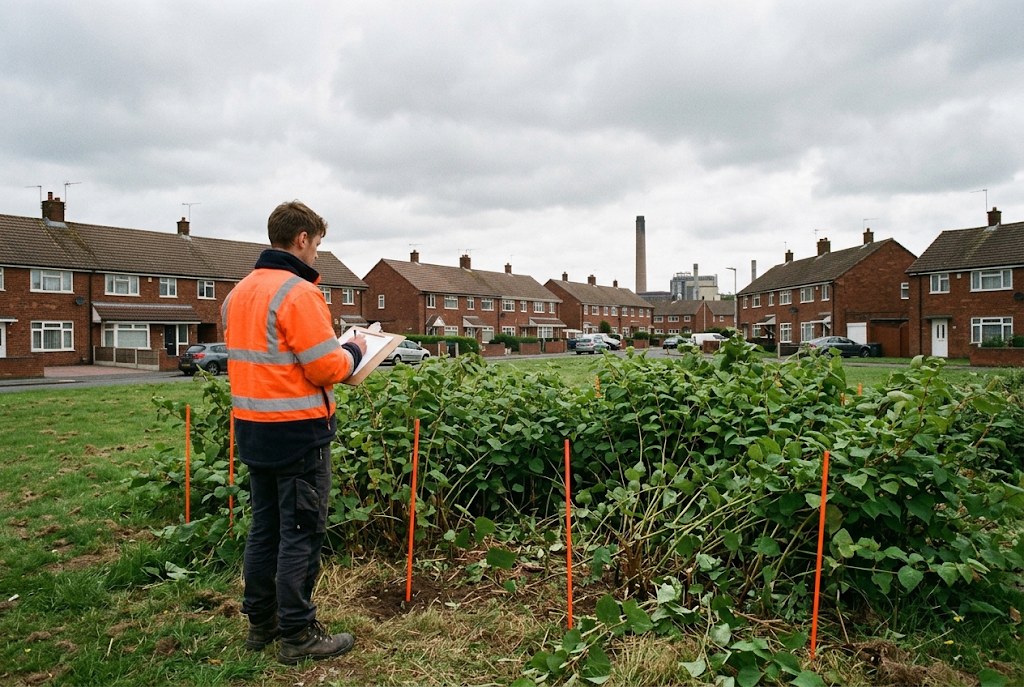
Checking a photo costs nothing. When it does turn out to be knotweed, we survey it, deal with it by spraying or digging, and put the plan on paper for your lender or solicitor. Surveys priced from £275.

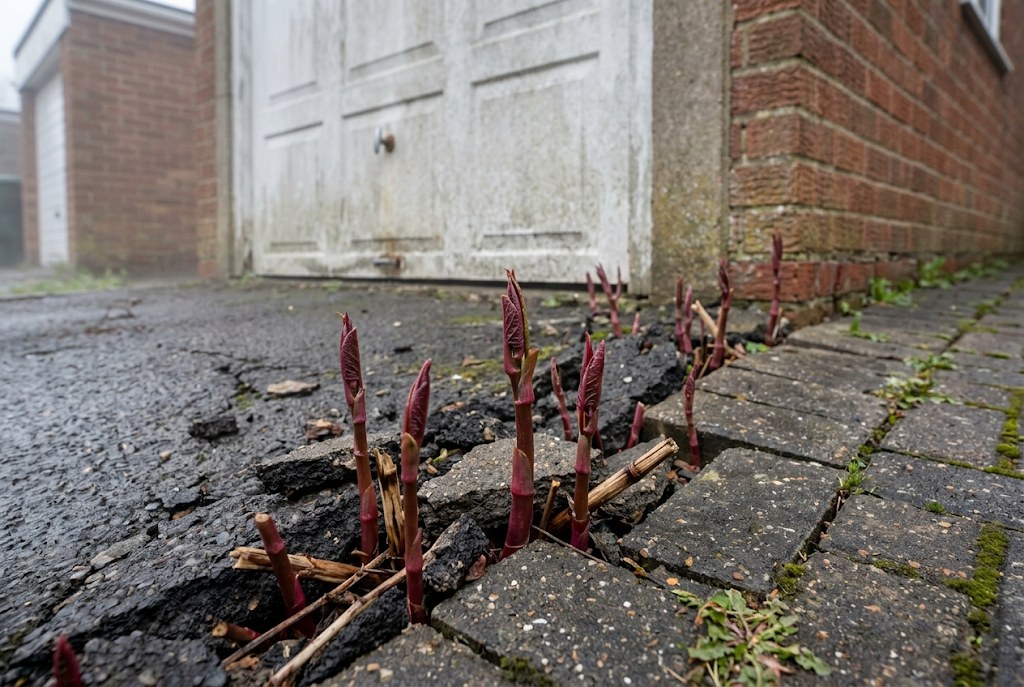
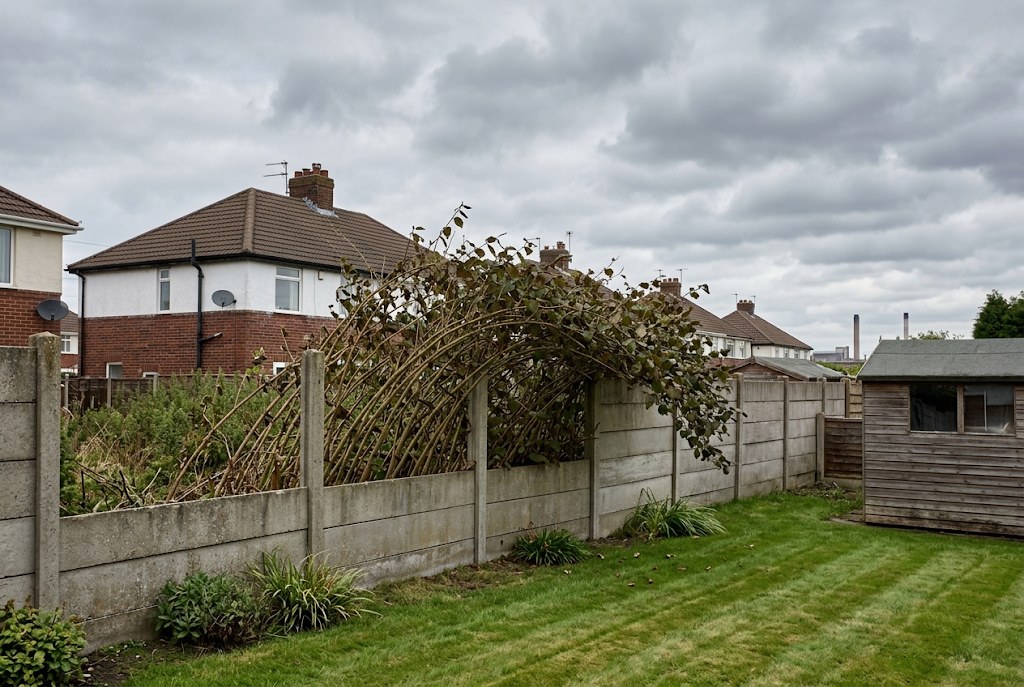
A good share of the plants people send us are nothing to worry about.
Photograph a single leaf and a length of stem, then send them over. You get an answer with no charge attached. We only suggest a visit when the plant really is knotweed, and you see the price in writing before you agree to anything.
Come November the canes go brown and it looks as though the problem has gone. It has not. The rhizome carries on underground and the patch is wider the following summer.
Included in the survey:
Things you are not charged for:
Reports are written with RICS guidance on knotweed and residential property in mind. Take it to any contractor you like.
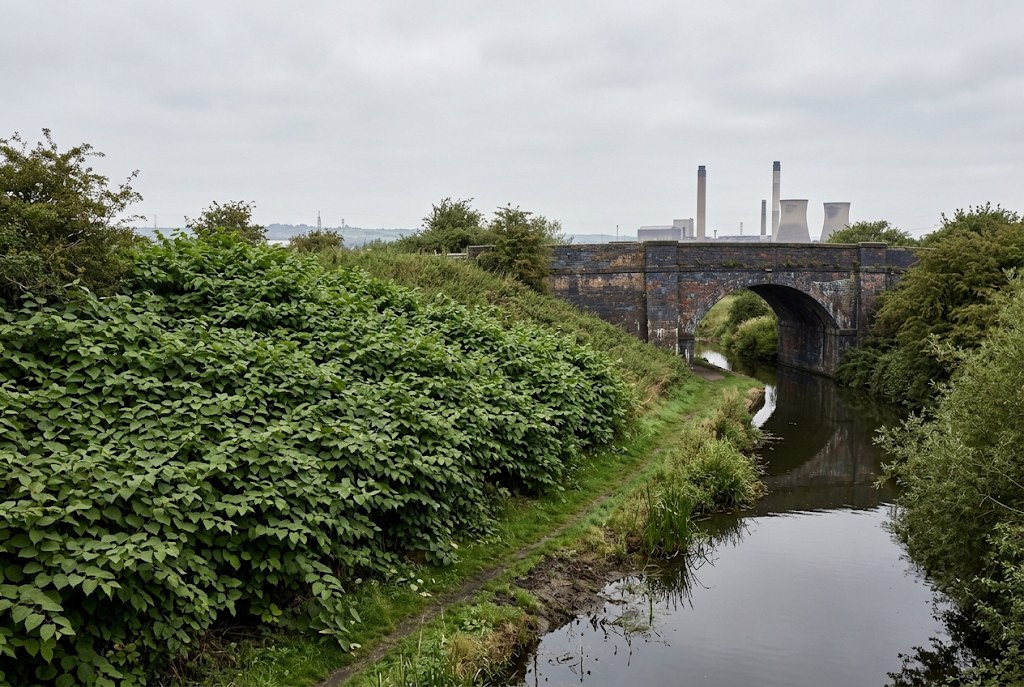
Ditton sits between the Mersey and the main rail line, and the viaduct and railway banks run through it. Mixed housing from the 1930s onwards backs onto embankments and strips of overgrown land, which can hold a stand for years without anyone owning up to it.
A survey establishes whether the stand started on your land or came over from elsewhere.
Also covering the rest of Widnes — same price, same service.
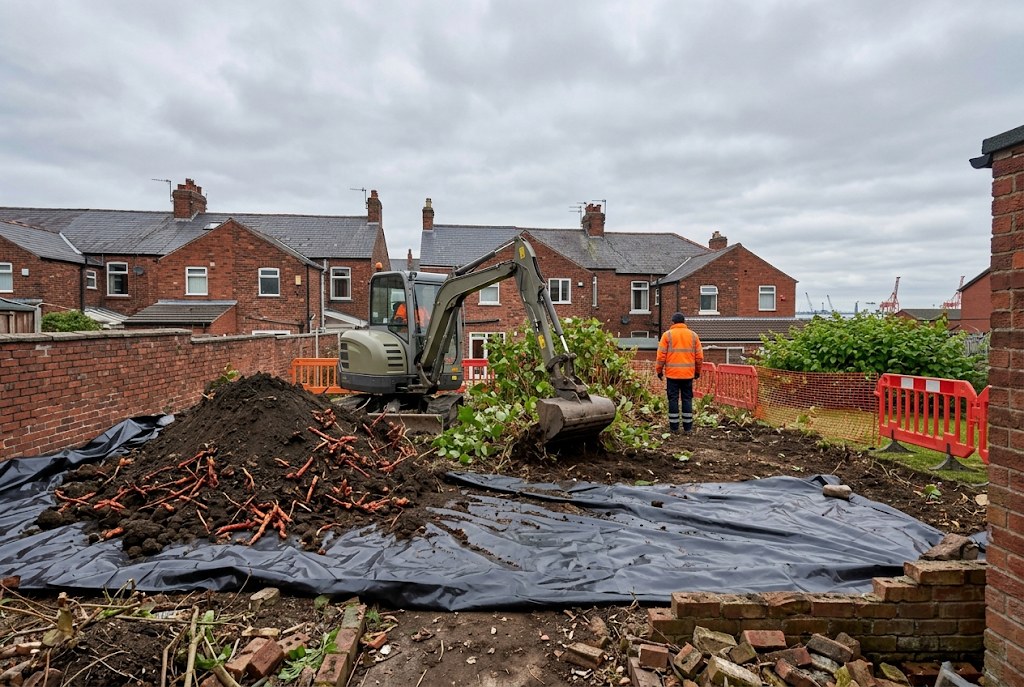
Send a picture through the contact page, or call. Whether it is knotweed or not, you hear from us at no cost.
Every WA8 address in Widnes, from the riverside at West Bank to the northern edge at Cronton. Based on the Widnes side of the Mersey, so most visits can be fitted in within a few days.
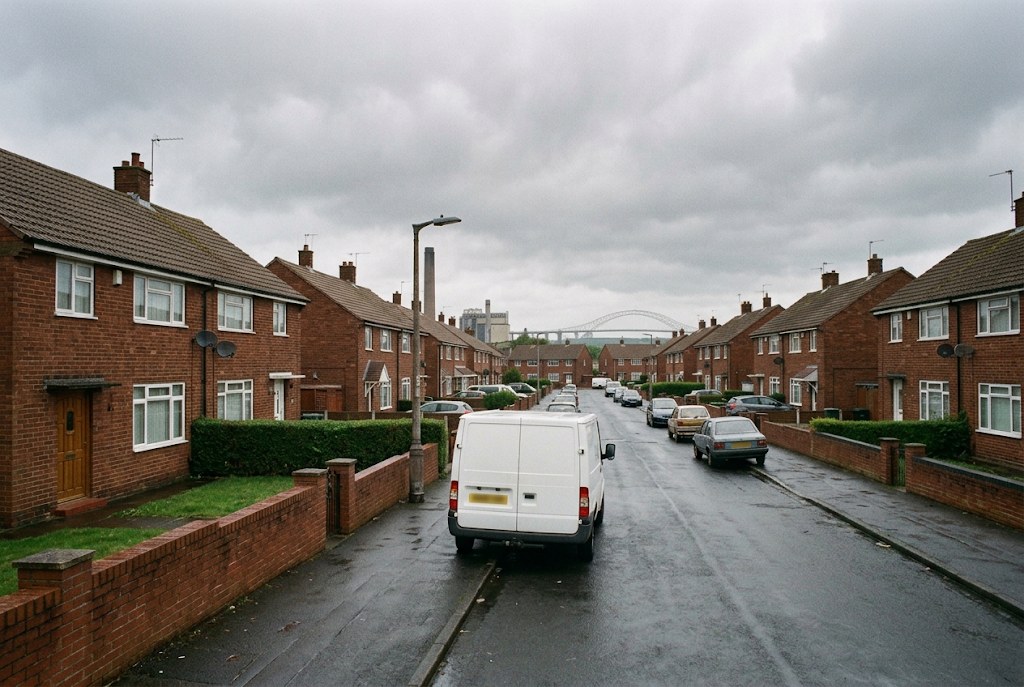
Photo check is free. You keep the report. We agree the price before any work begins.
Ditton has a mix of Victorian terraces and interwar semis, many with back gardens that face a railway bank or a strip of rough land. Embankments are lightly managed and often hidden from view, so a stand can grow for years before anyone notices it from a kitchen window. Check the far end of the garden and the base of the boundary fence, especially in late spring when new canes are quickest to spot.
If a stand sits on the railway side, ownership is usually with whoever manages the land, not with you, so find that out before acting. A survey records where the boundary lies and how far the roots may reach. For sellers, buyers' solicitors often ask about railside plots, and a lender can ask for a management plan before agreeing a mortgage, so starting early avoids a stalled sale.